
 English
The Flax Industry: Green, Natural and Multi-valued
2022.03.25
As one of the earliest domesticated natural fiber crops for mankind, flax integrates textile, oil and ecological values, making it a characteristic industry with profound historical heritage and modern development potential. The global flax industry maintains steady growth, and China stands as a key player in global flax processing and consumption, driving the industry toward high added value and sustainable development.
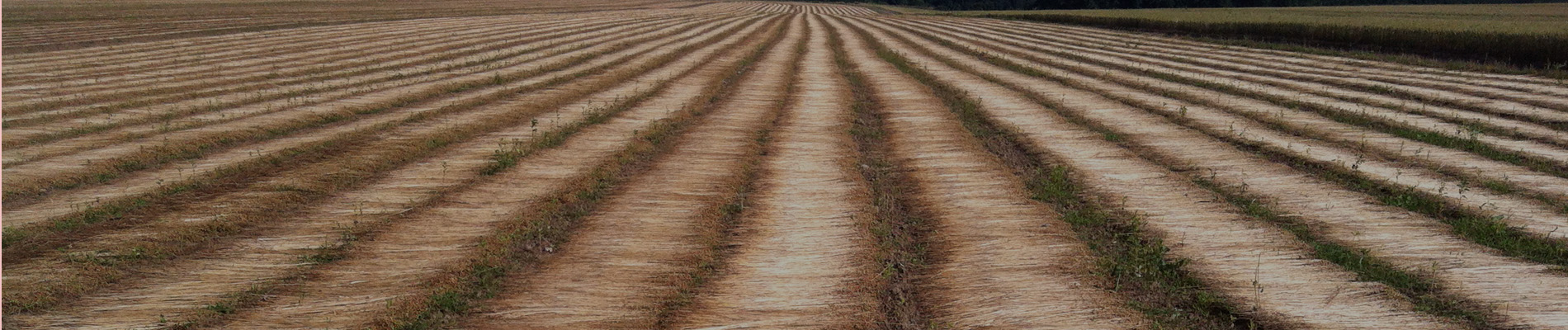
The flax industry boasts a complete industrial chain covering planting, processing and application. Flax thrives in cool and humid climates. In China, Heilongjiang, Inner Mongolia and Xinjiang serve as core producing regions with stable planting areas. The processing sector sees continuous upgrading of mechanization and intelligence. The popularization of technologies such as biological enzyme degumming not only improves fiber yield but also eases environmental pressure.
Known as the "Queen of Fibers", flax fiber features air permeability, moisture absorption, antibacterial property and durability, widely used in high-end apparel and home textiles. Rich in alpha-linolenic acid, flaxseed oil is a healthy edible oil with strong market demand in food and health product sectors.
Driven by carbon neutrality and consumption upgrading, flax has expanded from traditional textiles to automotive interiors, medical materials, aerospace and other fields. Going forward, breakthroughs in seed breeding, technological innovation and brand building will further unlock its ecological and economic value, enabling the flax industry to thrive in the trend of green development.



